

Colorectal cancer, which affects the colon or rectum, is one of the most common cancers worldwide. When detected early, it is highly treatable and often curable. However, many people ignore subtle symptoms or mistake them for common digestive problems. Understanding the early warning signs can help ensure timely diagnosis and effective treatment.
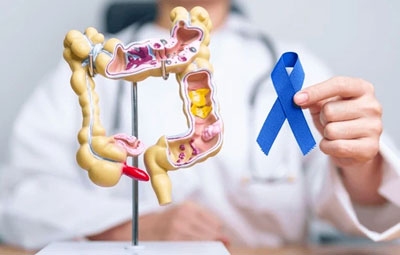
Early detection plays a crucial role in improving survival rates. Paying attention to changes in bowel habits, unexplained discomfort, or persistent digestive issues can help identify potential concerns before they progress to advanced stages.
While symptoms may vary from person to person, some early warning signs should never be ignored:
Although colorectal cancer can occur in anyone, certain factors may increase the risk:
If any symptoms persist for more than a few weeks, it is important to consult a specialist for proper evaluation. Screening tests such as colonoscopy can help detect abnormal growths or early-stage cancers before symptoms become severe.
Early diagnosis significantly improves treatment outcomes. With modern surgical techniques, including minimally invasive and robotic colorectal surgery, patients can receive precise treatment with faster recovery and better long-term results.