

Cytoreductive Surgery (CRS) combined with Hyperthermic Intraperitoneal Chemotherapy (HIPEC) is an advanced treatment used for cancers that spread to the lining of the abdomen, known as the peritoneum. These cancers are often associated with conditions such as colorectal cancer, appendiceal cancer, peritoneal mesothelioma, and certain ovarian cancers.
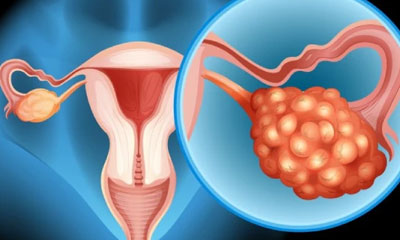
This specialized treatment approach combines surgical removal of visible tumors with heated chemotherapy delivered directly inside the abdominal cavity. By targeting cancer cells more precisely, CRS and HIPEC provide an effective option for managing peritoneal cancers that were once considered difficult to treat.
Cytoreductive Surgery is a complex procedure designed to remove all visible cancer deposits from the abdominal cavity. The surgeon carefully examines the abdomen and removes tumors from the peritoneal surfaces and affected tissues.
The goal of CRS is to reduce the tumor burden as much as possible, which improves the effectiveness of further treatment.
After the tumor removal surgery is completed, HIPEC (Hyperthermic Intraperitoneal Chemotherapy) is performed. During this step, a heated chemotherapy solution is circulated within the abdominal cavity for a specific period of time.
The heat helps the chemotherapy penetrate tissues more effectively and destroy microscopic cancer cells that may remain after surgery. Since the treatment is delivered directly inside the abdomen, it allows for higher concentration at the target area with fewer systemic side effects.
This combined treatment approach offers several important advantages:
CRS and HIPEC may be recommended for patients with cancers that have spread within the abdominal cavity but remain limited to that area. Common conditions where this treatment may be considered include:
A detailed medical evaluation and imaging studies help determine whether this treatment is appropriate.
CRS and HIPEC are highly specialized procedures that require advanced surgical expertise and multidisciplinary care. Careful patient selection, detailed planning, and comprehensive postoperative management are essential to achieve the best outcomes.
With modern surgical techniques and experienced care, CRS and HIPEC have become an important option for treating complex abdominal cancers and improving patient outcomes.