

Minimally Invasive Surgery for Total Mesorectal Excision (MIS-TME) is an advanced surgical technique used primarily in the treatment of rectal cancer. This procedure focuses on removing the rectum along with the surrounding mesorectal tissue that may contain cancer cells, while preserving nearby nerves and important structures.
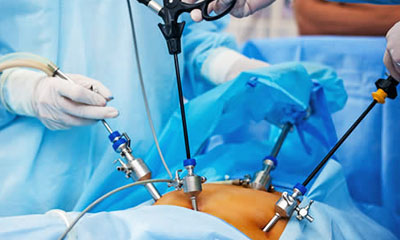
Using minimally invasive methods such as laparoscopy or robotic assistance, surgeons perform the operation through small incisions. This approach allows for precise removal of cancer while reducing surgical trauma and improving recovery for patients.
Total Mesorectal Excision is a specialized surgical technique that removes the rectum and the surrounding fatty tissue known as the mesorectum. This tissue often contains lymph nodes where cancer cells may spread.
Careful removal of this area helps reduce the risk of cancer recurrence and improves long-term treatment outcomes for patients with rectal cancer.
The minimally invasive approach to TME offers several advantages compared to traditional open surgery.
MIS-TME is primarily performed for patients diagnosed with rectal cancer. It may be recommended when cancer is located in the middle or lower part of the rectum and requires precise surgical removal.
Careful evaluation using imaging studies and clinical assessment helps determine the most suitable treatment approach for each patient.
Recovery after minimally invasive rectal surgery is generally quicker compared to traditional surgery. Patients are encouraged to begin gentle movement early and gradually return to normal activities under medical guidance.
Regular follow-up visits and monitoring are important after rectal cancer surgery to ensure proper healing and to support long-term health and recovery.