

PIPAC (Pressurized Intraperitoneal Aerosol Chemotherapy) is an advanced treatment option for patients with cancers that have spread to the lining of the abdominal cavity, known as the peritoneum. It is a minimally invasive approach that delivers chemotherapy directly into the abdomen in the form of a pressurized aerosol.
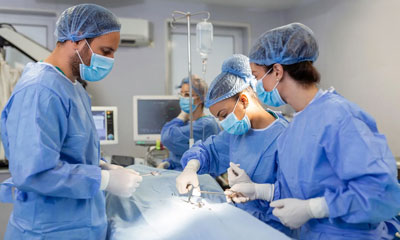
This technique allows chemotherapy to reach cancer deposits more effectively compared to conventional methods. By delivering the medication directly to the affected area, PIPAC helps improve drug penetration while minimizing systemic side effects.
PIPAC is a minimally invasive procedure performed using laparoscopy. During the procedure, chemotherapy drugs are converted into a fine aerosol and delivered into the abdominal cavity under controlled pressure.
The pressurized environment allows the chemotherapy particles to spread evenly and penetrate cancer tissues more effectively, targeting tumor cells within the peritoneum.
PIPAC is typically performed through small incisions using laparoscopic instruments. A specialized device converts chemotherapy into a fine mist which is then delivered into the abdominal cavity.
PIPAC offers several potential advantages for patients with peritoneal cancers:
PIPAC may be considered for patients with cancers that have spread to the peritoneum and are not suitable for major cytoreductive surgery. It may also be used in selected cases to control disease progression or improve symptoms.
Careful clinical evaluation and imaging studies help determine whether this treatment option is suitable.
PIPAC is a highly specialized procedure that requires advanced expertise and a multidisciplinary treatment approach. Proper patient selection and careful monitoring are important to ensure the best possible outcomes.
With modern techniques and specialized care, PIPAC has emerged as an important option in the management of peritoneal cancers, helping improve treatment effectiveness while maintaining patient comfort and quality of life.