

Cytoreductive Surgery (CRS) combined with Hyperthermic Intraperitoneal Chemotherapy (HIPEC) has revolutionized the treatment of cancers that spread to the peritoneum, the lining of the abdominal cavity. Previously considered difficult to treat, peritoneal metastases from colorectal, appendiceal, ovarian, and other cancers can now be managed with advanced surgical techniques that aim to remove visible tumors and target microscopic cancer cells.
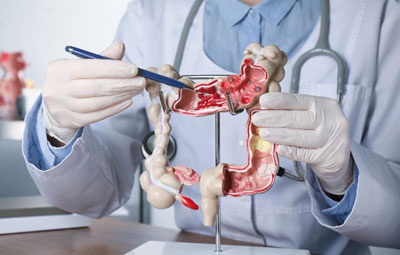
This combined approach offers new hope to patients by providing a more aggressive yet targeted treatment strategy. By integrating surgery with heated chemotherapy delivered directly into the abdomen, CRS and HIPEC work together to improve survival outcomes while minimizing systemic side effects commonly associated with traditional chemotherapy.
Cytoreductive Surgery focuses on removing all visible cancer deposits from the abdominal cavity. The goal is to reduce the tumor burden as much as possible before administering HIPEC therapy.
After cytoreductive surgery is completed, HIPEC therapy is administered directly into the abdominal cavity. A heated chemotherapy solution is circulated within the abdomen for a specific duration to destroy any remaining microscopic cancer cells.
The combination of CRS and HIPEC has become an important treatment option for selected patients with peritoneal surface malignancies.
CRS and HIPEC are most beneficial for carefully selected patients with cancers that have spread within the abdominal cavity but have not widely spread outside it. These may include colorectal cancer, appendiceal cancer, peritoneal mesothelioma, and certain ovarian cancers.
Evaluation by an experienced colorectal and peritoneal cancer specialist is essential to determine eligibility for this advanced treatment. With ongoing innovations in surgical oncology, CRS and HIPEC continue to transform the management of peritoneal cancers, offering patients better outcomes and renewed hope for long-term survival.